
The obvious consequence of having the lowest interest rates in history is attractive loan rates and an unsatisfactory level of interest on bank deposits for savers. However, if you look more closely, not only from the perspective of nominal values but also relative ones, the assessments are no longer so clear-cut.
According to NBP data, the average interest rate on consumer loans for a period of 1 to 5 years is currently 7.6 percent, which is half as low as ten years ago (in February 2007 it reached 14.4 percent). At the same time, the interest rate on deposits with a term of up to two years fell from 2.8 to 1.6 percent, i.e. by almost 43 percent. In the period preceding the global financial crisis and in its first phase, these proportions changed quite clearly in favor of deposits. Banks needed customers' money to keep up with lending during the economic boom, and after the downturn, deposits became a valuable source of capital, which became difficult to access on the market. At the turn of 2008-2009, they were ready to pay savers as much as 6.5 percent per year. With loan rates reaching 14-14.5 percent at the time, they still achieved a decent margin. It has shrunk from about 8 percentage points then to 6 percentage points now, so contrary to bankers' complaints, not so drastically after all.
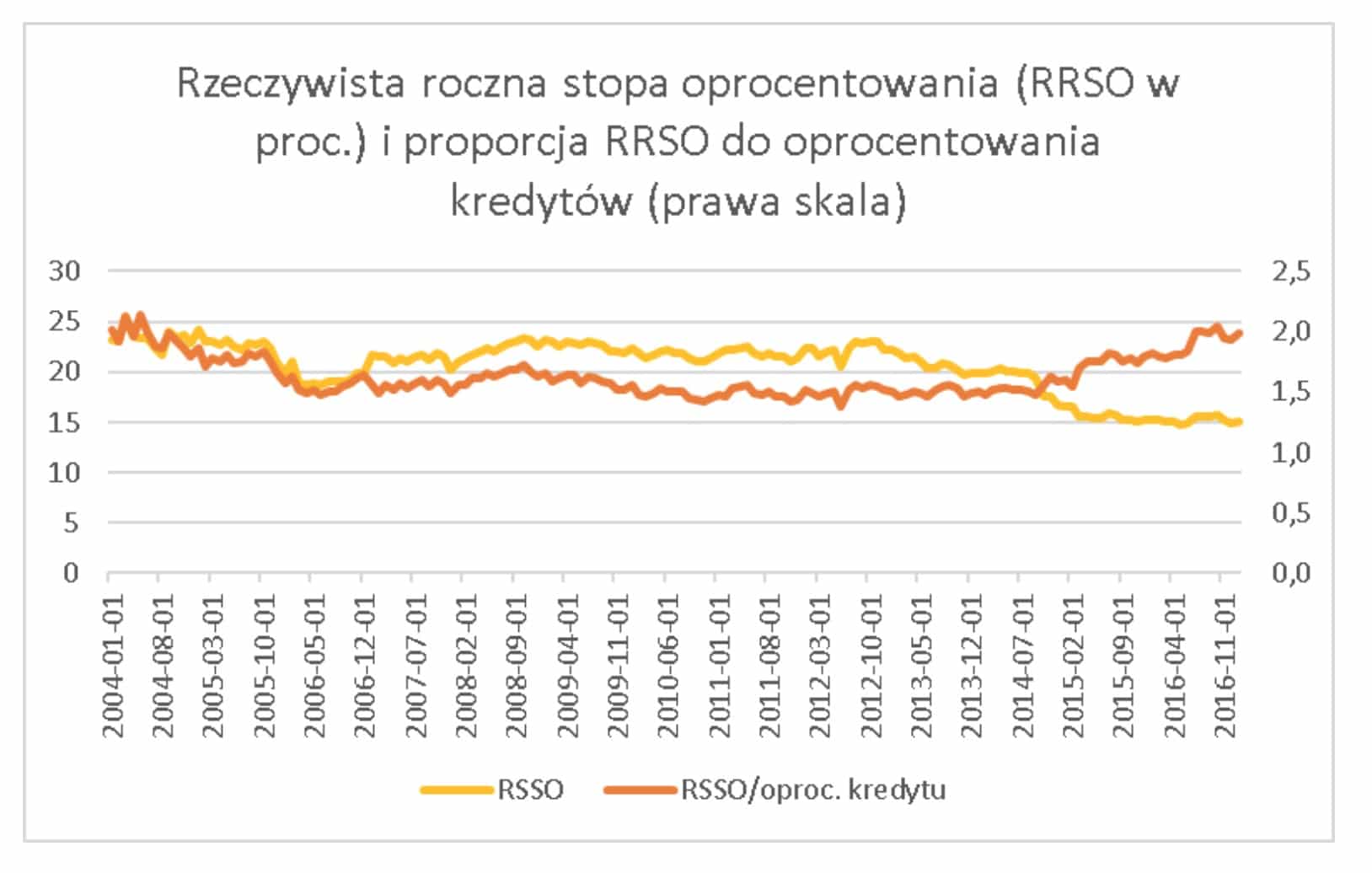
Now the situation is such that despite record-low interest rates, a decent economic situation and an approaching revival in investment, demand for credit is low, and there is plenty of money in banks. So there is no chance that deposit rates will go up, especially since the Monetary Policy Council firmly declares that it will not raise rates for at least ten months, and perhaps longer. If you add accelerating inflation to this picture, savers with the most cautious approach, i.e. those using bank deposits, are doomed to a real loss in the value of their capital.


