For several years now, more and more attention has been paid to web design. It is obvious that a website is our company's calling card. We present the most interesting trends, in our opinion, for the coming year.
People are beings who pay very close attention to what they see. And the saying "first impressions last" also applies to websites and their design. That is why a few changes have been announced for next year. Video and imagery will be the dominant tendency, and this is not just about content marketing itself. Video content is already very strongly present on blogs and is increasingly making its way onto social media. However, you have to be careful — it is easy to fall into the trap of readily available tools. Everything must be done so that form does not overwhelm substance. We have selected a few hot trends that are entering web design and are slowly becoming standards on sites that want to be perceived as professional and modern.
1. Flat design

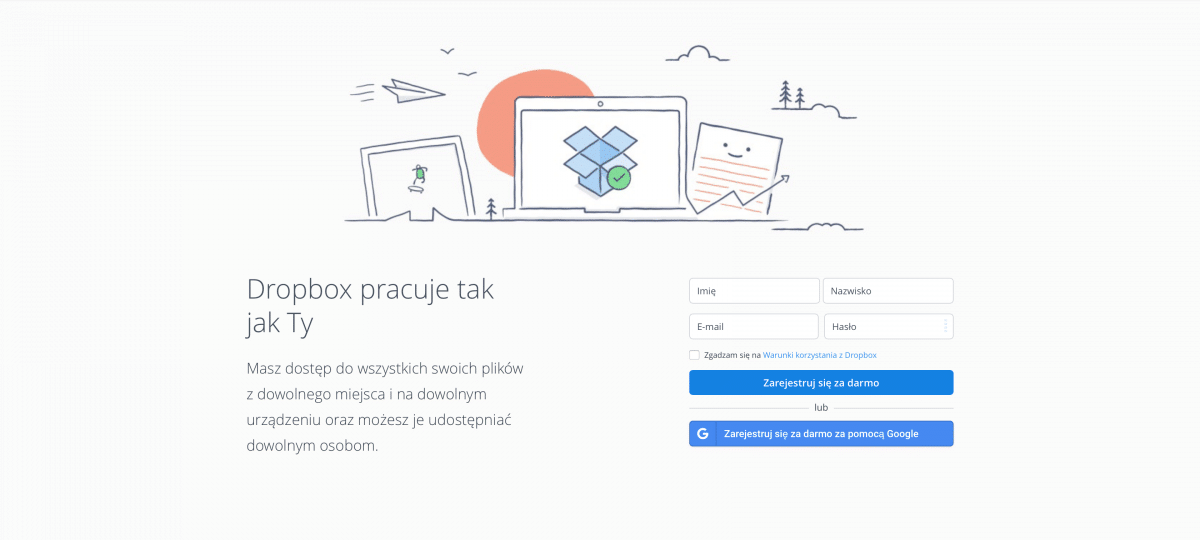
More and more attention is being drawn to so-called flat design. Google adopted it, and now it is taking further websites by storm. One of its offshoots is "material design". It is characterized by three-dimensionality through the use of various shades of color and shadows. This design distinguishes three basic depths that can be used to make some elements stand out above others.
2. Age-responsive design
In previous years, the focus was on making websites adapted to most devices and responsive. In 2017, the emphasis will be on adapting website design and layout to the user's age. Here, there is a need to understand which factors are important for older people and which should be taken into account when designing, for example, a TV channel for children. One such element is supposed to be a font that automatically adjusts while scrolling and moving individual page elements. Colors, on the other hand, are to be more vivid on sites intended for young people, and subdued and pastel for mature audiences.
Storytelling
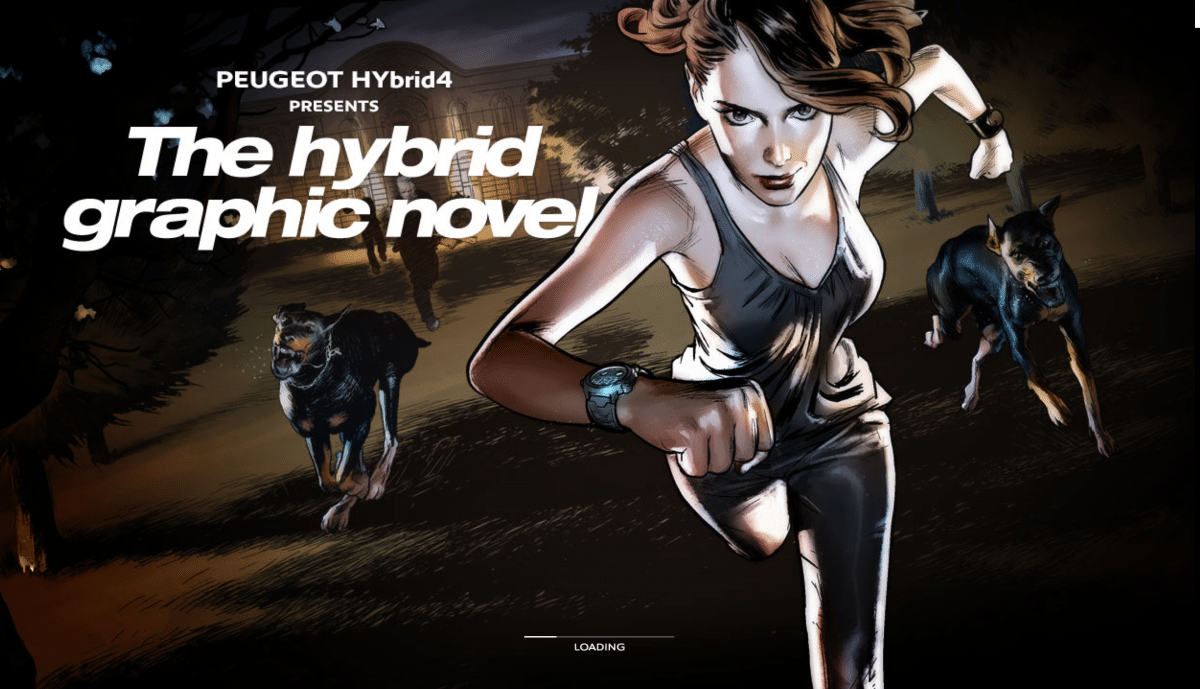
A big advantage of new websites is the use of "visual narration." So-called storytelling is meant to focus the user on exploring the site and learning everything they want about a given thing. The main use of "stories" is their usefulness in presenting a new product or event. A great example of such a website is a site dedicated to a hybrid model of the Hyundai brand or National Geographic's portal about the Kennedy family.
3. Mini-interactions
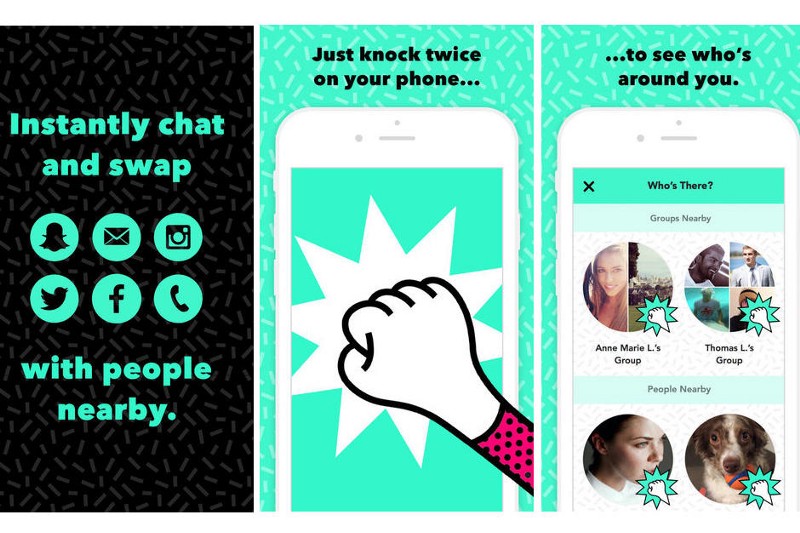
A strong emphasis will also be placed on "mini-interactions," which will encourage users to be more active, such as sharing posts or giving a "thumbs up" to a given thing, or quickly commenting from the level of not even an opened article, but the title itself.
4. User Offboarding
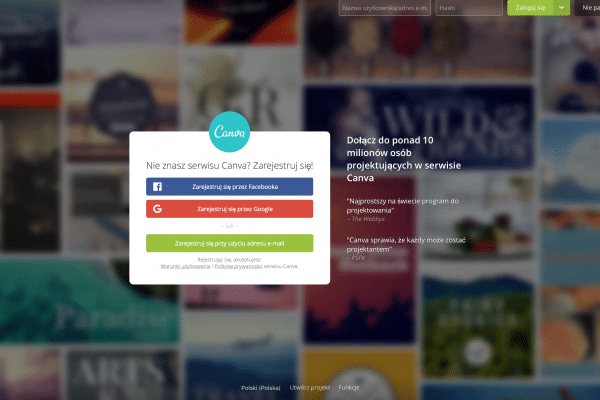
"A good product is like a cinematic masterpiece" — this slogan is meant to guide a new method of attracting visitors to one's websites. It is to be an element of the site that the user sees and cannot tear their attention away from. They will delve into it so deeply that they will visit the entire website. From beginning to end, and "watch it like a good film." One such example is, among others, the Canva website, which is constructed in such a way that it does not allow the user to stop creating pages, and short videos showing, on the principle of "do -> show -> tell," make the user want to learn the details.