
PepsiCo and Deloitte launched an unusual collaboration. The campaign targets children to introduce them to eco-friendly habits. Learn more about this interesting project.
A game that teaches bottle crushing
The hero of the Deloitte Digital-created game Up Up Hippo is a friendly, slightly clumsy hippo who needs help from plastic bottles to move. By crushing a bottle, the player helps the hippo fly, swim, jump, and finally complete its mission—disposing of the plastic bottle in the correct bin. Up Up Hippo is a true educational challenge: children learn that crushed packaging takes up less space in the trash, and they themselves playfully contribute to protecting the natural environment. The interface and graphic design are inspired by air and what can be done with it. The main character is a balloon, and the world it moves through is full of inflatable elements. The game’s appearance suggests that the air removed from crushed bottles powers the entire adventure.
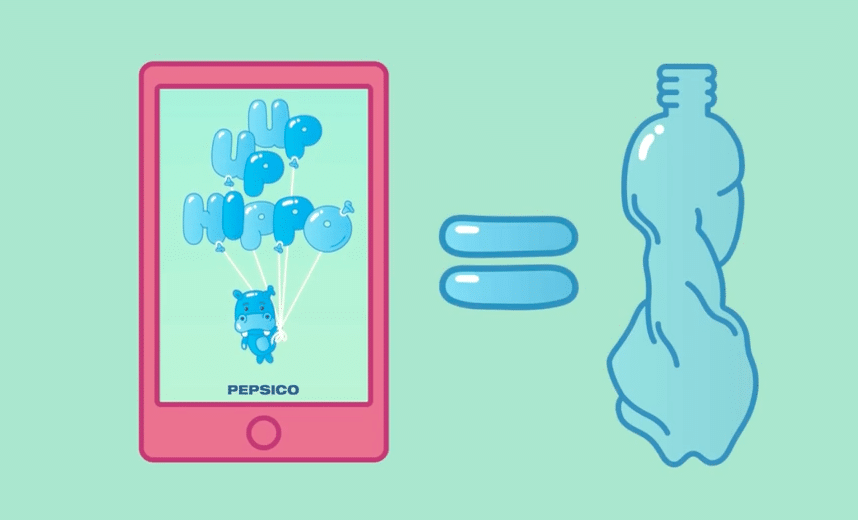
A bottle as the start of the battle against waste
Can the world be saved by one plastic bottle?
Probably not, but one bottle can be the start of daily action against excess waste around us. Uncrushed plastic bottles increase trash volume by 80%, leading to more frequent waste collection, since trash trucks carry air instead of waste. Despite public campaigns, it’s very difficult to change adults’ habits. That’s why PepsiCo Poland, for whom Deloitte Digital created the app, hopes parents will also take on the challenge presented by Hippo alongside their children.
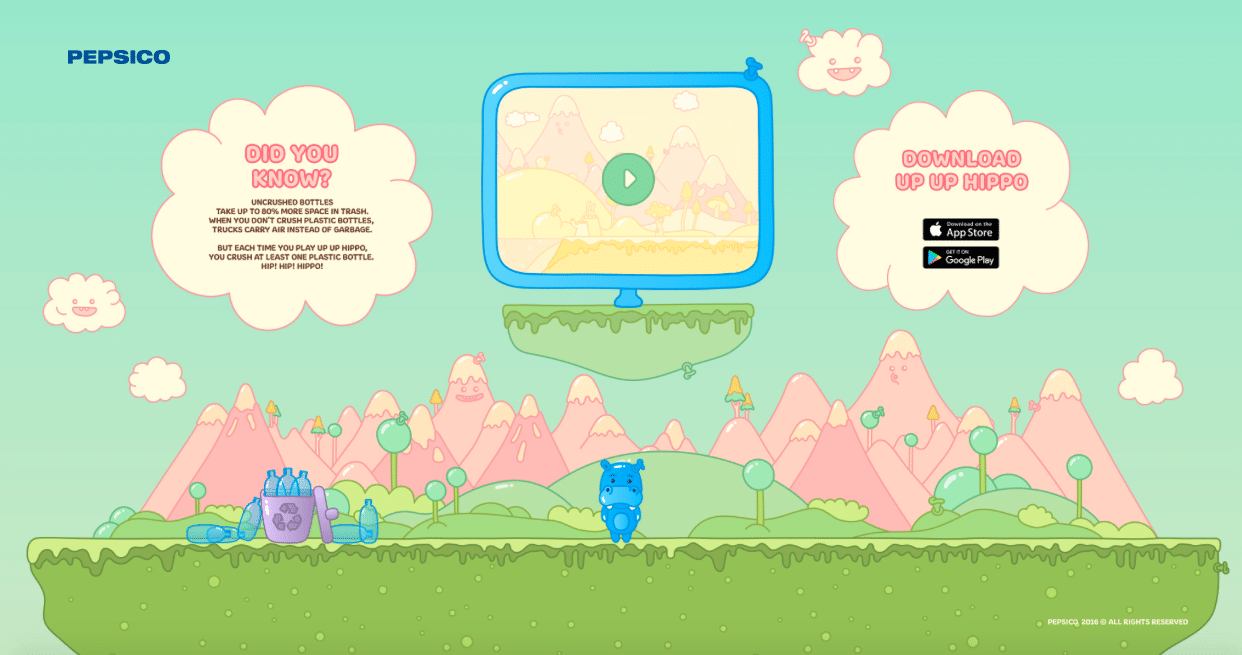
Ecology through play for the youngest
Environmental themes are increasingly aimed at the youngest. Children learn fastest through play, and thanks to the Up Up Hippo app, crushing bottles becomes fun—not a chore. This is a simple path to developing the habit of properly managing plastic waste. The Up Up Hippo project aligns with PepsiCo’s philosophy, in which the corporation commits to caring for natural resources through supporting science and innovation, while also seeking new ways to reduce water, land, energy, and packaging usage.


