
Plants can give an office environment a natural character. Having small plants will improve air quality and remove pollutants, while adding to the atmosphere of the workplace.
Research conducted by Dr. Roger S. Ulrich of Texas A&M University and Helen Russell of Surrey University in England showed that plants significantly reduce stress in the workplace and increase productivity.
Small Indoor Plants
One of the advantages of small indoor plants is that they are easy to maintain and are resilient (e.g., to forgetfulness when it comes to watering). With minimal effort, you can keep a plant at your desk or elsewhere in the office for a long time.The key to achieving this success is choosing the right plant.
Snake Plant

Also known as the snake plant or Sansevieria trifasciata, it can grow quite tall. Its upright dark green leaves have bands of light yellow-green on the outside. "Snake-like" appearance definitely catches the eye. Several placed together, side by side, create a green wall that can be used when planning your interior.
Cactus

These plants are small and come in several different varieties. They require a significant amount of sunlight, so they are not recommended for poorly lit offices. If you have a windowsill that gets a lot of sunlight and you usually forget about watering, a cactus or many cacti would be ideal. They generally prefer that you forget to water them from time to time.
Spider Plant
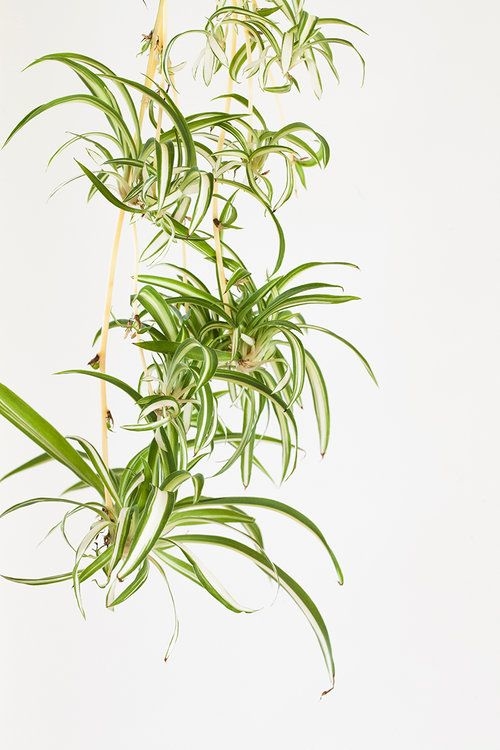
This plant, also known as Chlorophytum comosum, is one of the easiest plants to grow indoors. It is often displayed in hanging baskets, which means it can visually enhance your office space.
ZZ Plant

The ZZ plant, or Zamioculcas zamiifolia, is one of the most resilient plants you can find. It can also give your space a tropical character. Additionally, some produce flowers.
Aloe

Aloe plants are small enough to easily fit on most desks. They also have air-filtering properties, removing substances such as formaldehyde and benzene. The gel inside the plant can also be used to treat cuts and burns.
Fittonia

This plant, sometimes also called the nerve plant or mosaic plant, can work well in offices because it thrives even under fluorescent light.


